A Word from Pastor Jay

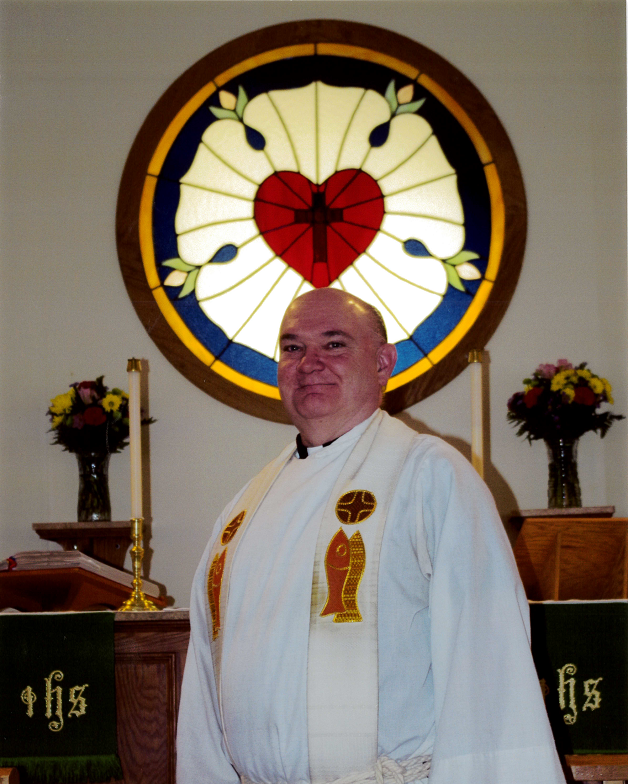
“O Lord, throughout these forty days, You prayed and kept the fast; Inspire repentance for our sin And free us from our past.”
These familiar words speak to us each year as we enter the Church-year season of Lent. In doing so, we join a tradition of observance which goes back, according to many scholars, almost to the beginning of the Church itself. In the First Century, the Church in its theology and practice centered around the cross and the empty tomb, what we call Good Friday and Easter today. These events in the life of Jesus stood out as the great acts of Christ by which the ultimate power of death is defeated, and God’s great gift of life is made real for all. As a way of paying particular homage to this holy time of the year and as a way of preparing to enter into the celebration of the greatest mysteries of our faith and God’s greatest acts of grace, early Christians began to set aside a period of time during which they equipped themselves emotionally, spiritually and physically to make ready for the truth of the cross and empty tomb to be shared. Firstly, because Jesus spent forty days in the wilderness after his baptism, and because so many other important Biblical stories were marked in time by forty days/ years, the early Church adopted forty days as the appropriate length of time during which this preparation was to take place. Looking at the calendar, you might recognize that the time period between Ash Wednesday, the first day of Lent, and Easter surpasses forty days in length. That is because, in the tradition of many Christian groups, most Lutherans included, Sunday always is considered a “feast day,” because it is the first day of the week, the day of resurrection. The other days of the week throughout the Lenten season have been regarded by the Church for many, many centuries as days of fasting and repentance. Lent is considered to be a period of time devoted to spiritual exercise, similar to physical exercise, to become stronger, during which the believer works to strengthen his or her faith through various acts such as prayer, fasting, Scripture/devotional reading, regular worship attendance, giving toward worthy causes, selfsacrifice, loving deeds of service, charity, and greater recognition of our brokenness before God.
Traditionally, we Lutherans have observed the beginning of Lent, Ash Wednesday, as a worship experience which honestly speaks to our situation as human beings, both sinful and mortal. As always, we received ashes on our foreheads as a symbol of our need for repentance, for turning away from the ways of the world and back toward the ways of God, and of our mortality, represented by the words spoken to us as we receive the ashes, “Remember brokenness is revealed in our human bodies which are touched by illness, disease and simple human ageing. Our brokenness is sharpened by our broken relationships, our loss of those precious to us, and all the ways we negatively impact family and community life. Our brokenness is measured in our emotional pain, our grief, our fear, our anger, our loneliness, our despair, our neediness and in our countless other emotions which keep us from leading full and joyous lives.
In truth, for some reason or other, every family is in need of our prayers because every family is touched by brokenness in some way. Lent is a reminder of that. So, as we transition from Epiphany to Lent this year and as we witness Jesus active in the lives of those who are broken, we are reminded of our mission, to be the light of Christ active in the midst of the darkness of this world. We, too, have the mission to share the very presence of a loving God with those who do not feel that presence. Part of that mission is to pray on behalf of those who are hurting, who feel broken. Then, too, during the season of Lent, we consider deeply our need, both individual and corporate, of God’s love and life. We see the brokenness in ourselves and this world. Then, understanding better the reality we face, we place our trust in God’s grace. In this we are not disappointed, for beyond Lent God has another surprise in store. We call it Easter.
-
Location
-
Mailing Address
Contact
Office Hours
Apostles Lutheran Church in Gloucester, Virginia is a congregation of the ELCA and the Virginia Synod.