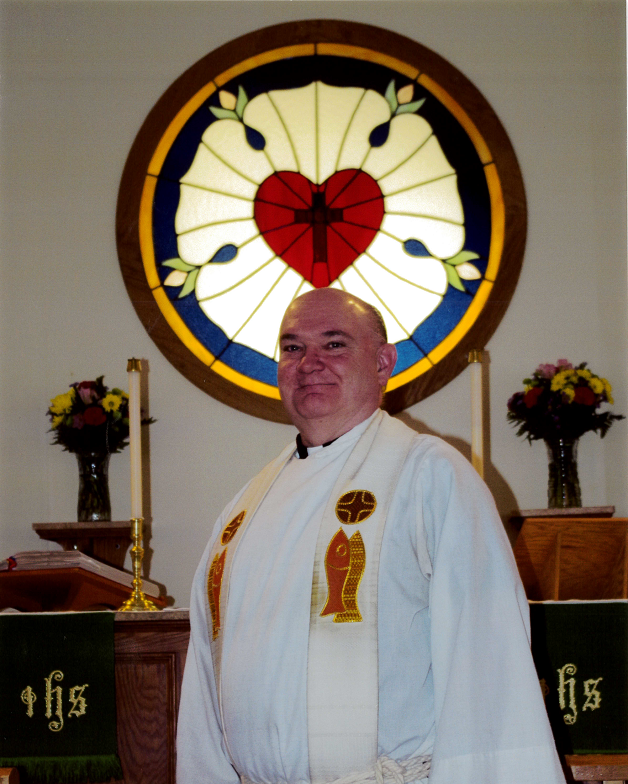
A Word from Pastor Jay

“Know then - sin, death, devil, and everything that assails me - that you are missing the mark. I am not one of those who are afraid of you. For Christ, my dear Lord, has presented to me that triumph and victory of his by which you were laid low. And from this very gift of His I derive my name and am called a Christian. There is no other reason. My sin and death hung about His neck on Good Friday, but on the day of Easter they had completely disappeared. This victory He has bestowed on me. This is why I do not worry about you.” (Luther’s Easter sermon in 1530)
Martin Luther was an Easter person. At the center of his entire understanding of God and what God has done for us is the incredible gift of Good Friday and Easter, those events through which God has reconciled humanity. When we try to come to an understanding of Martin Luther and of the Reformation which he started over 500 years ago, we cannot go very far without realizing that, even though he doesn’t write the word “Easter” all the time, the promise and hope of Easter lay behind everything he believed and wanted other Christians to understand. But Easter, for Luther, only makes sense when tied to Good Friday and to the cross. Luther sees in the cross perhaps the greatest teaching tool for who God is and how we should understand God. For Luther, the cross is not just some symbol of a God removed from humanity about whom we can speculate and who floats above us capriciously blessing or cursing our lives in ways we cannot understand. God invests greatly in us, and for Luther, the proof of that investment is the cross. In the person of Jesus, God reveals to us the depth of love God feels for us. Jesus, God incarnate, bears the very pain and despair of the cross and death so that God’s great love might be known. God, through Jesus, even takes on death on our behalf so that our greatest enemy might be overcome. So Good Friday and the cross teach us more about God than volumes of Christian theology ever could. And in his “Theology of the Cross,” Luther explains to us that the cross shows that our God is found in the midst of pain and suffering, in our hurt and despair, in the very places where we live our lives and feel most vulnerable.
Easter, then, is God’s answer to this pain and suffering and despair. It is God’s answer to death. In the proclamation that “Christ is risen!” we are set free from our worries over sin and death and, through the promises of baptism, “joined to the death and resurrection of Christ,” as both Luther and Saint Paul would remind us. In this “freedom from” we find our “freedom for,” our empowerment through Christ to share the joy, the light, the life of Easter with all of God’s children. With Luther, we are Easter people, but understand what this means even better when we recognize that we are people of the cross as well. Called to serve, we become the body of Christ for the world and find ways to touch others with the fullness of life which comes through the one who bore the cross and who leaped from the grave.
As we journey through the holiest week of the year, and approach the cross, it does us well to consider what the cross reveals to us about ourselves and about our God. Then, as we continue to the tomb, and find it empty, we are touched with the fullness of grace and life bestowed upon us by our Father through Jesus. All of this makes us Easter people, too!
-
Location
-
Mailing Address
Contact
Office Hours
Apostles Lutheran Church in Gloucester, Virginia is a congregation of the ELCA and the Virginia Synod.